


Mapping Florida’s Sinkholes: Understanding the Sinkhole Threat
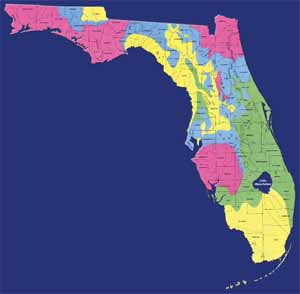
Sinkholes can form anywhere in Florida, but the highest activity level occurs in west-central Florida because of the karst limestone environment beneath the ground.
Several factors increase the risk of sinkhole activity, including:
- Long-term weather conditions
- Heavy acidic rains
- Extended droughts
- Groundwater pumping and land development
The regional map on the right shows sinkhole locations reported since 1954 by the Florida Geological Survey Series No. 110. While it does not display every sinkhole in the state, it provides a general picture of just how widespread the problem is.
Sinkhole Zones in Florida
Florida is divided into four sinkhole zones based on geology and soil composition. Each zone carries different risks and types of sinkhole activity.
- Zone 1 (Yellow): Exposed or thinly covered carbonate rocks. Broad, shallow sinkholes are common. Cities include: Miami, Coral Springs, Hialeah, Hollywood
- Zone 2 (Green): Permeable sand layers, 20–200 feet thick. Typically small cover-subsidence sinkholes. Cities include: Fort Lauderdale, Port St. Lucie, Orlando
- Zone 3 (Blue): Cohesive, low-permeable soil that often produces sudden, abrupt collapse sinkholes. Cities include: Tampa, Tallahassee, St. Petersburg
- Zone 4 (Pink): Deeply interbedded carbonate rocks and clayey sands. Sinkholes are less common but can still occur. Cities include: Jacksonville, St. Augustine
Why Sinkholes Are Forming More Often
Sinkhole formation in Florida has accelerated over the years. Contributing factors include:
- Extended droughts followed by heavy rainfall
- Overdevelopment and construction of retention ponds
- Groundwater pumping for municipal and agricultural use
Florida sinkholes can range from a few feet across to massive collapses capable of swallowing homes, roads, pools, and even entire buildings.
Environmental Concerns
Beyond property damage, sinkholes pose serious environmental risks. The carbonate rock beneath Florida provides a direct pathway for pollutants like:
- Fertilizers and pesticides
- Oil and gasoline
- Wastewater and stormwater runoff
This contamination can quickly spread through the aquifer system, impacting Florida’s water supply. Despite the hazards, sinkholes are also a natural part of Florida’s ecosystem.
Common Warning Signs of Sinkholes
Most sinkholes show warning signs before they become dangerous. As a Florida homeowner or business owner, watch for:
- Cracks in interior walls or joint areas
 Cracks in stucco or exterior block
- Windows and doors that stick
- Yard or street depressions
- Gaps or separations in concrete
- Sloping floors or ceiling cracks
- Foundation settlement or cracks
- Loss of pool water
- Wilting plants despite normal care
- Neighbors experiencing sinkholes nearby
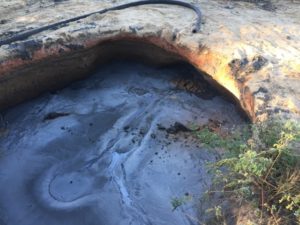
- Visible cavity forming
If you notice one or more of these signs, don’t wait. Early action can prevent extensive damage.
Professional Sinkhole Repair Solutions
At Foundation Professionals of Florida, we offer proven repair solutions tailored to your property’s needs:
- Compaction grouting: Stabilizes loose soil by injecting a specialized material underground. As it expands, it compacts the soil and strengthens the foundation.
- Void filling: Fills underground gaps and spaces using a high-density, lightweight polyurethane foam. The foam expands quickly to cover the area and provide immediate support.
With decades of experience, our team knows how to properly identify, repair, and prevent sinkhole damage.
Protect Your Florida Property
Your foundation is the most important part of your structure. If it’s compromised by sinkholes, settlement, or unstable soils, your home or business could be at risk.
Contact Foundation Professionals of Florida today for a professional inspection and long-lasting sinkhole repair solutions.
